Toggle Nav 
search
shopping_cart ()
SUMMER SALE NOW ON
CLICK FOR LATEST OFFERS

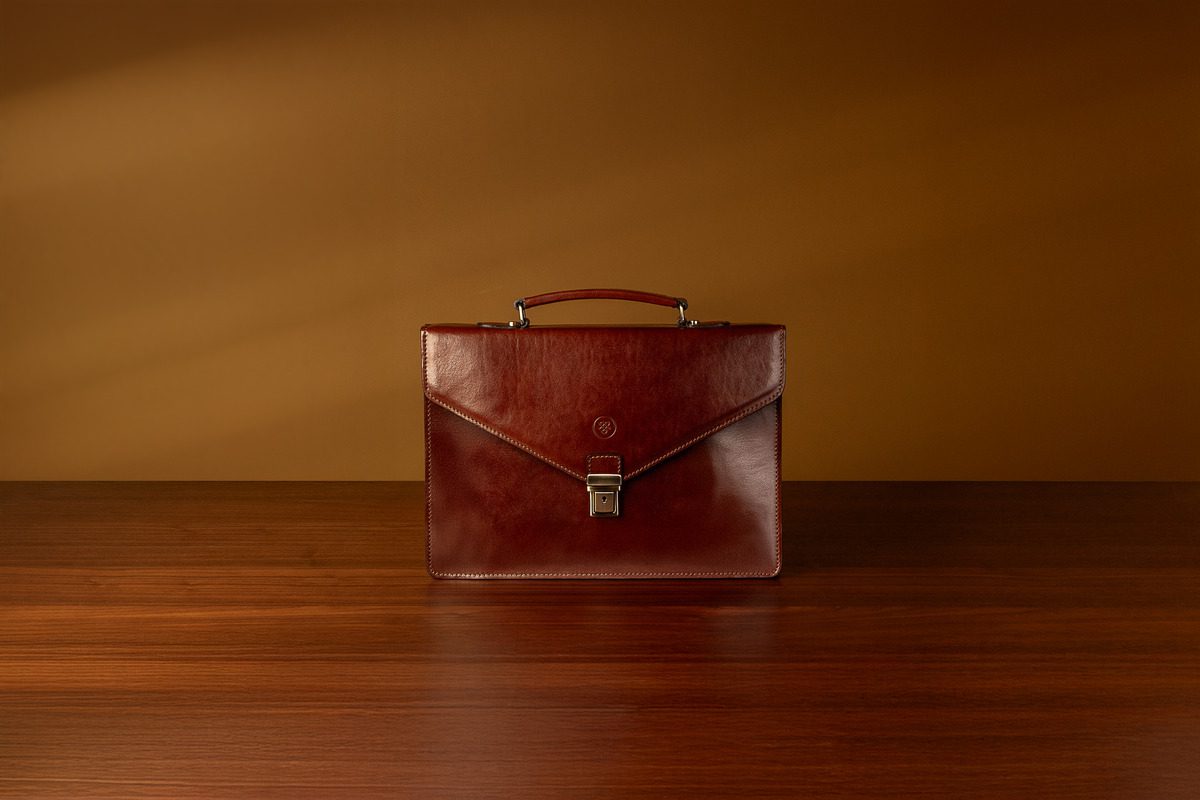
Few objects have travelled through time as quietly, or as consistently, as the briefcase. Long before it became a modern business essential, the briefcase existed as a practical solution: a way to carry documents securely, discreetly, and with purpose. Its evolution mirrors changes in work, mobility, and professional life, yet its core function has remained remarkably unchanged.

Early origins: carrying what mattered
The origins of the briefcase can be traced back to medieval Europe, where leather satchels and document cases were used by couriers, merchants, and officials to transport important papers. These early forms were valued for durability rather than style, designed to protect contents from the elements and from prying eyes.
At a time when documents were handwritten and often irreplaceable, security and discretion were paramount. Leather, strong, flexible, and long-lasting, became the material of choice.

The rise of the professional class
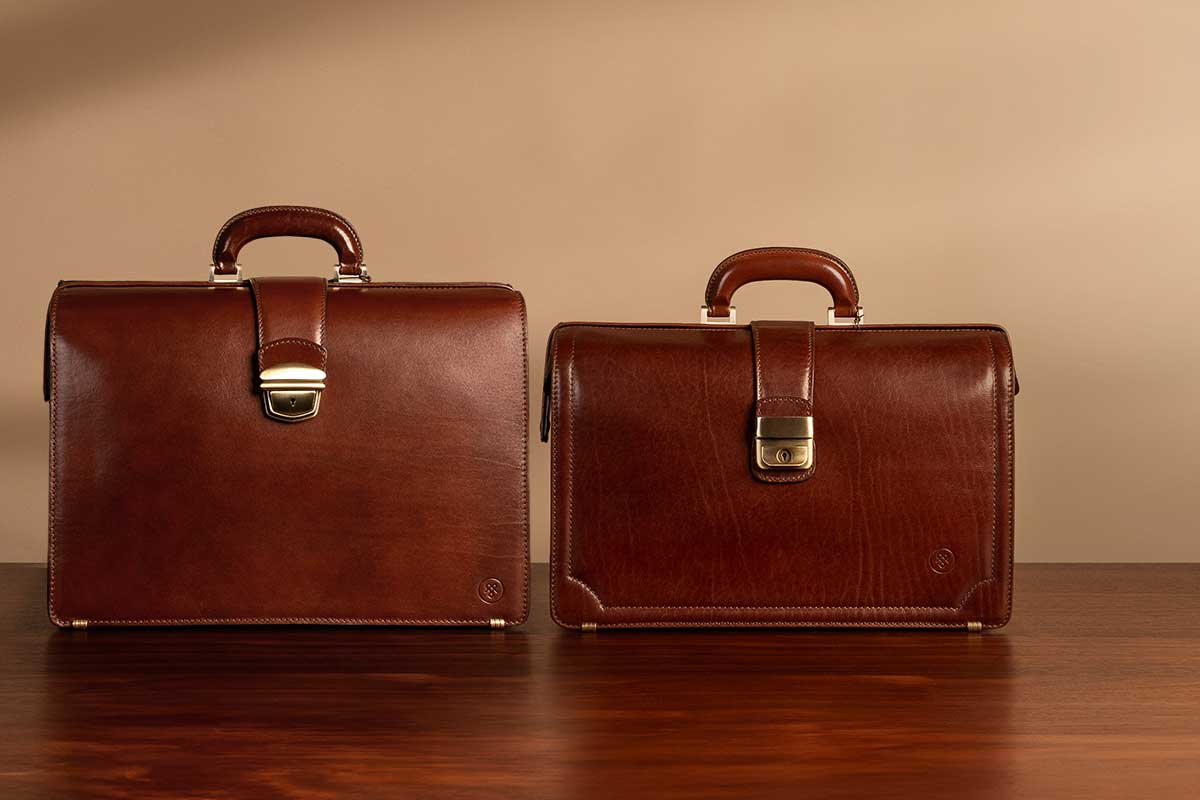
By the 18th and 19th centuries, as commerce expanded and bureaucracy became more formalised, the briefcase began to take on a recognisable structure. Lawyers, bankers, civil servants, and administrators required a case that not only carried documents, but conveyed authority and credibility.
Structured leather cases emerged, often with reinforced frames and secure fastenings. The briefcase was no longer just practical; it had become symbolic, an outward marker of responsibility, trust, and professionalism.
The briefcase in the industrial age
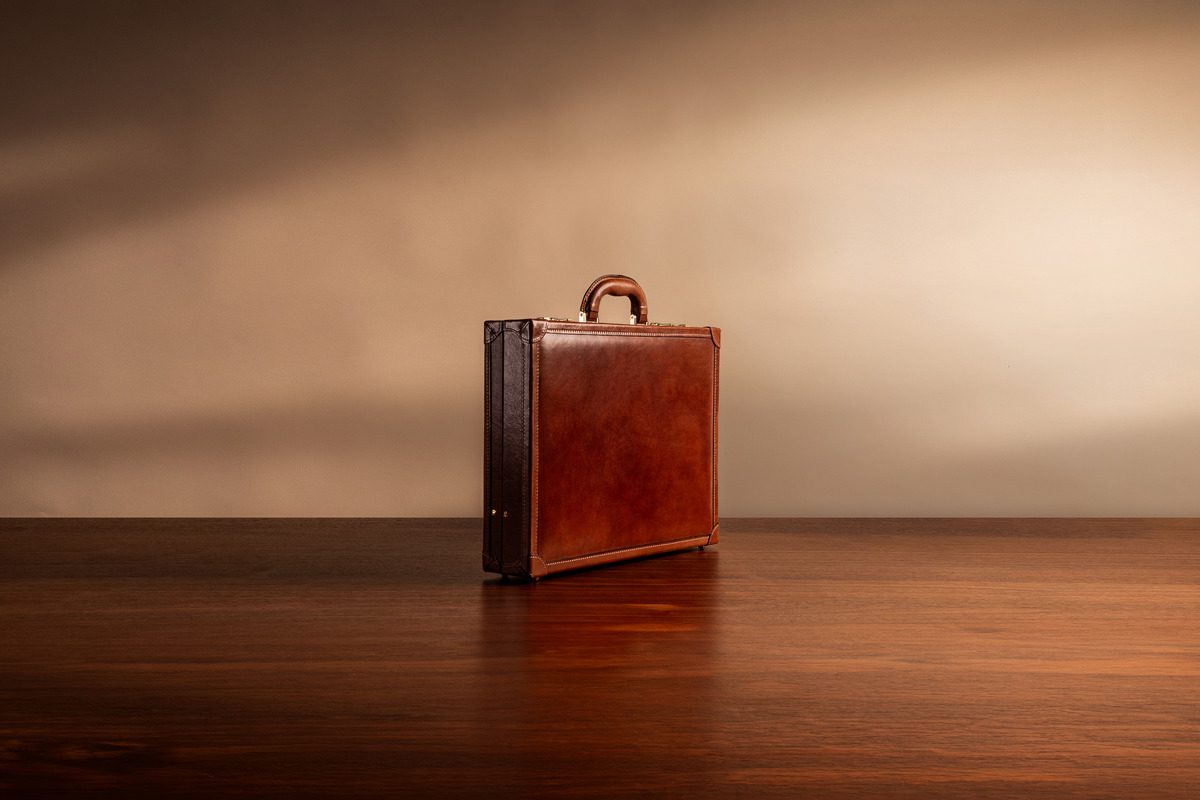
The late 19th and early 20th centuries marked a turning point. Industrialisation brought mass production, but it also heightened expectations around presentation. A well-made briefcase suggested competence and reliability in an increasingly competitive professional landscape.
During this period, the briefcase became closely associated with the office, the boardroom, and the legal profession. Its clean lines and structured form reflected the values of the time: order, discipline, and precision.
Evolution in the modern era
As working life changed in the late 20th century, so too did the briefcase. Paper gave way to technology, and interiors evolved to accommodate laptops, cables, and modern tools. Carrying styles diversified, with softer silhouettes and shoulder straps reflecting more fluid working patterns.
Yet despite these changes, the essence of the briefcase endured. It remained a symbol of preparedness and intent, a way to bring structure to movement, whether commuting, travelling, or attending meetings.
Leather and longevity
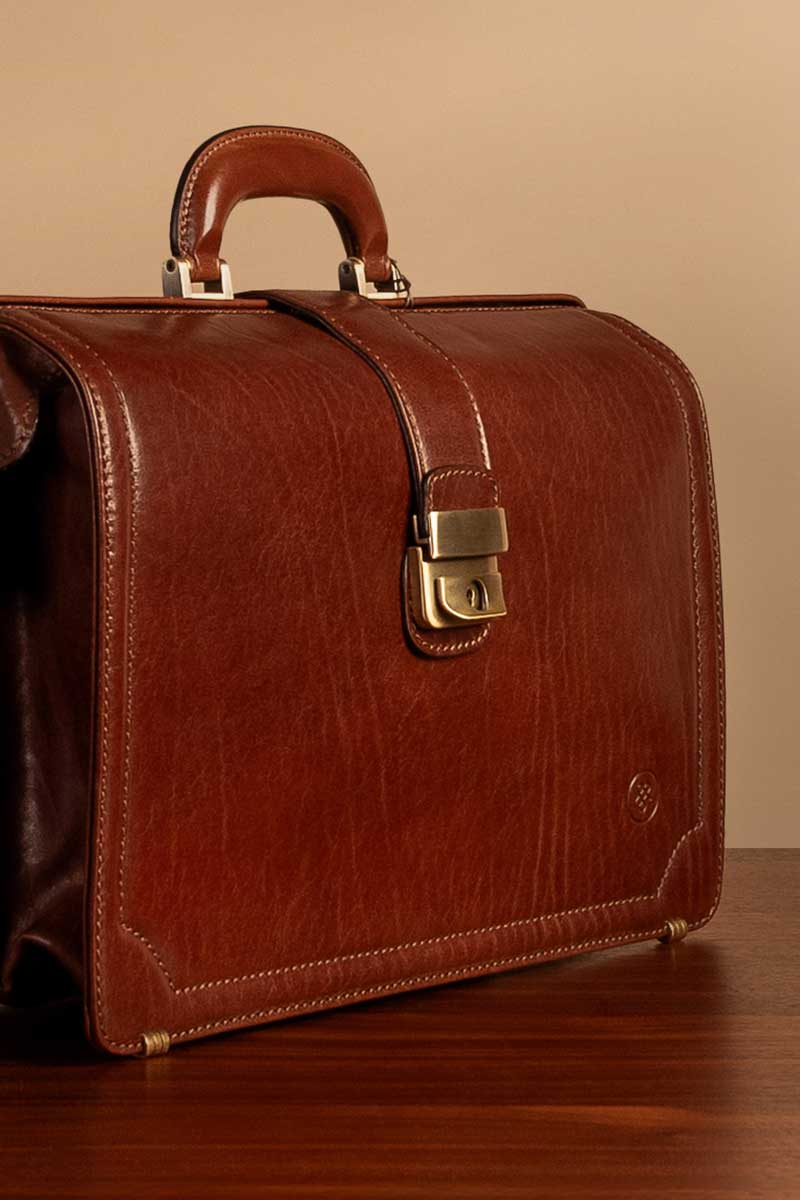
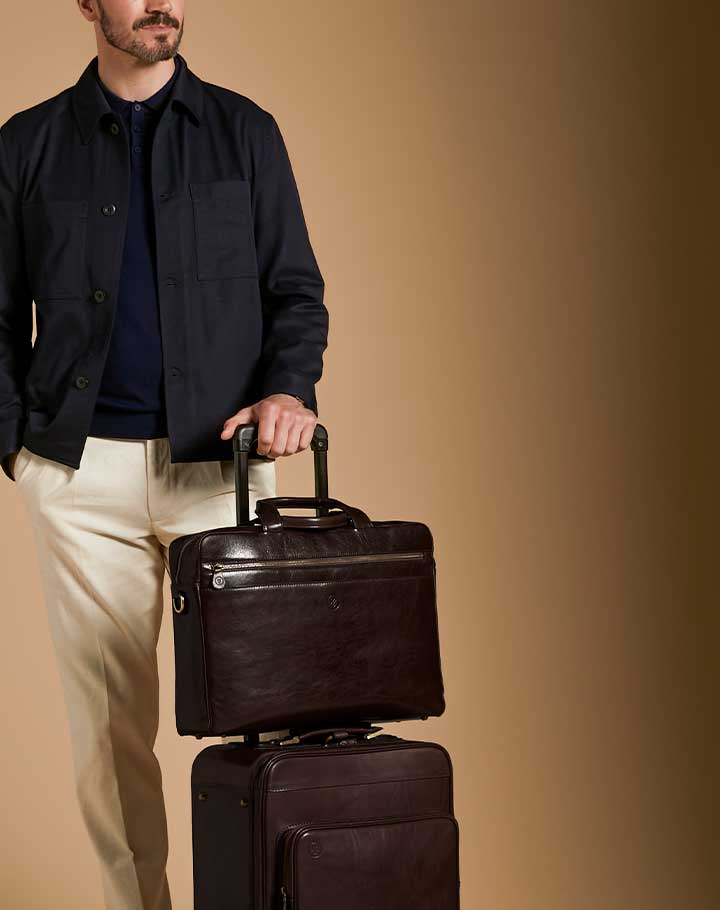
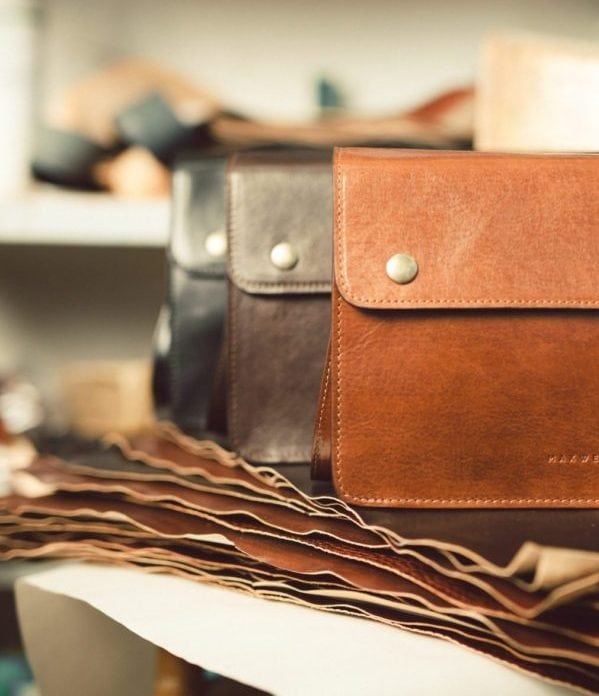
Throughout its history, leather has remained central to the briefcase’s appeal. Full-grain leather, in particular, offers a rare combination of strength and adaptability. Over time, it develops a patina, a visual record of use that enhances rather than diminishes its character.
This ability to age well has helped the briefcase endure while other accessories have faded with trends. A quality leather briefcase does not need reinvention; it evolves naturally alongside its owner.
The briefcase today
Today, the briefcase occupies a unique position. It sits comfortably between tradition and modernity, adapting to contemporary working life without losing its sense of purpose. While workplaces may be less formal than they once were, the briefcase continues to signal organisation, intention, and attention to detail.

At Maxwell-Scott, this understanding shapes every design. Rather than chasing trends, the focus remains on proportion, craftsmanship, and longevity — values that have defined the briefcase since its earliest forms.
While the briefcase has evolved in response to changing ways of working, its underlying purpose has remained consistent. Structure, discretion, and longevity continue to define its appeal. For a broader look at how these principles translate into modern design, materials, and use, our leather briefcase guide explores the briefcase as it exists today.
An enduring working companion
From medieval document satchels to modern business essentials, the briefcase has always reflected how, and why, we work. Its longevity lies not in fashion, but in function: a dependable way to carry what matters, with discretion and care.
In an age of constant change, the briefcase remains a quiet constant, purposeful, composed, and built to last.